
Classes

Basic Life Support (BLS)
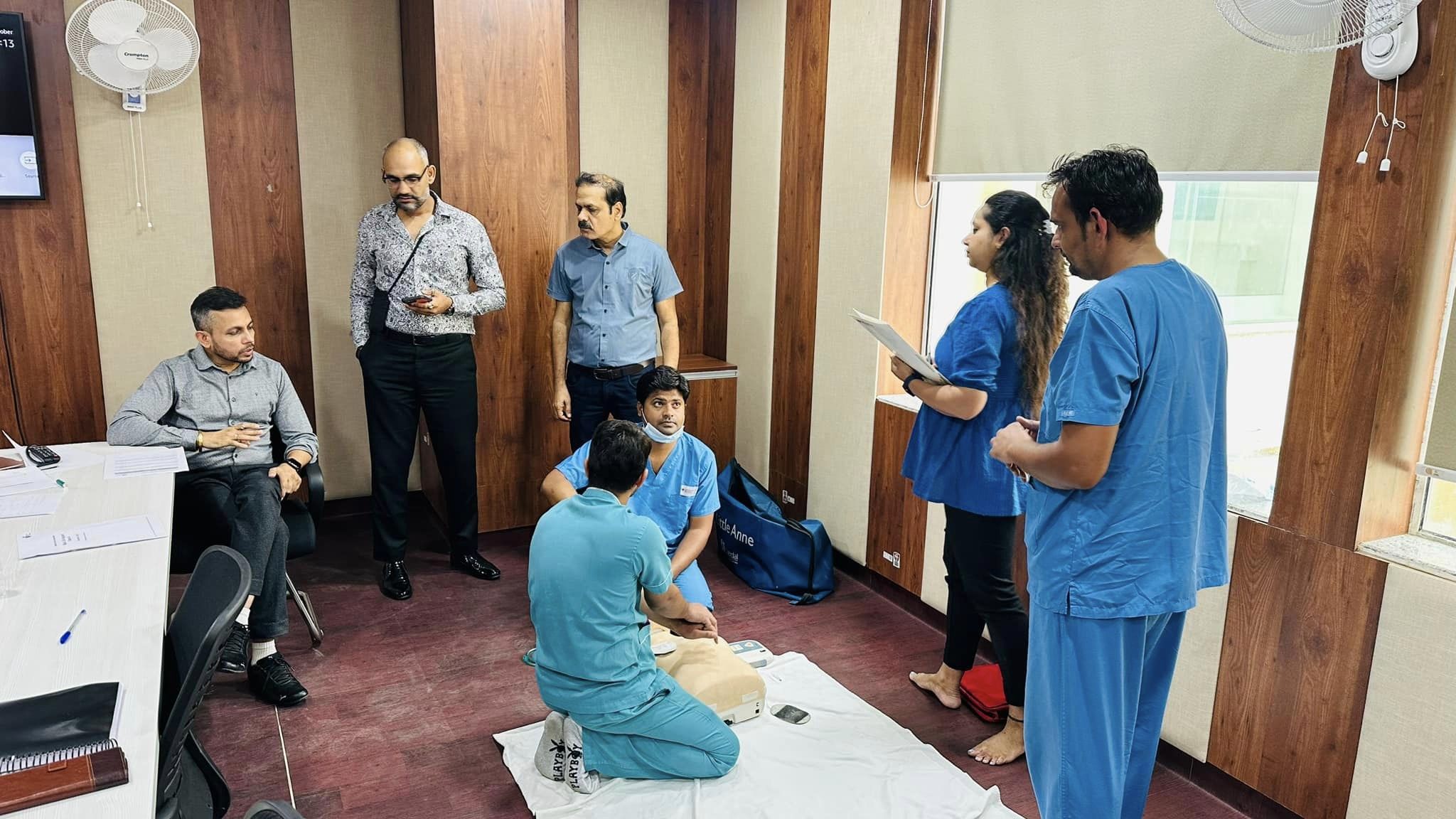
American Heart Association Basic Life Support course trains participants to promptly recognize several life-threatening emergencies, give high-quality chest compressions, deliver appropriate ventilations and provide early use of an AED. Reflects science and education from the American Heart Association Guidelines Update for CPR and Emergency Cardiovascular Care (ECC).
Who should take this course?
The American heart Association Basic Life Support Course is designed for healthcare professionals and other personnel who need to know how to perform CPR and other basic cardiovascular life support skills in a wide variety of in-facility and prehospital settings.
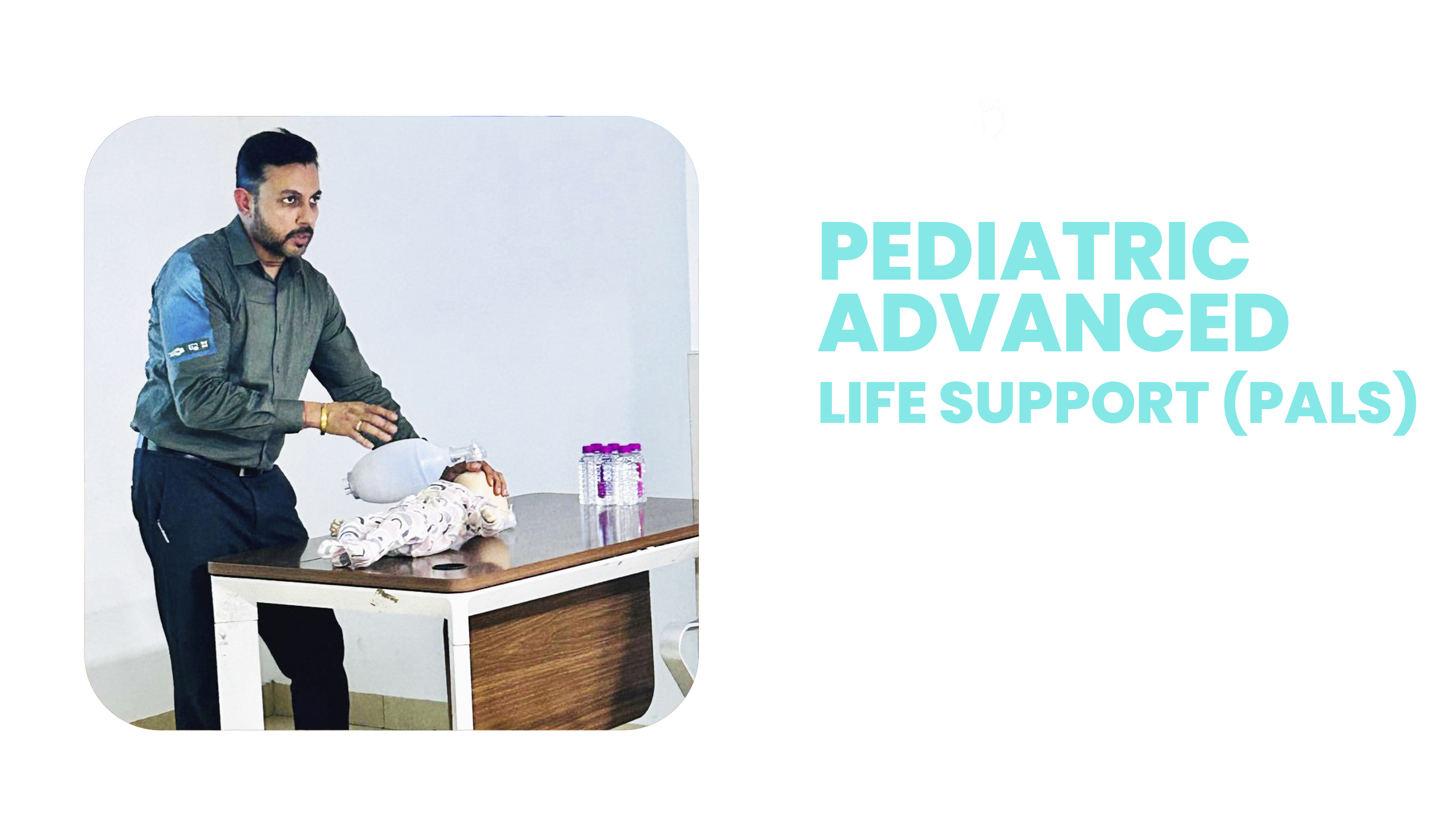
Pediatric Advanced Life Support (PALS)
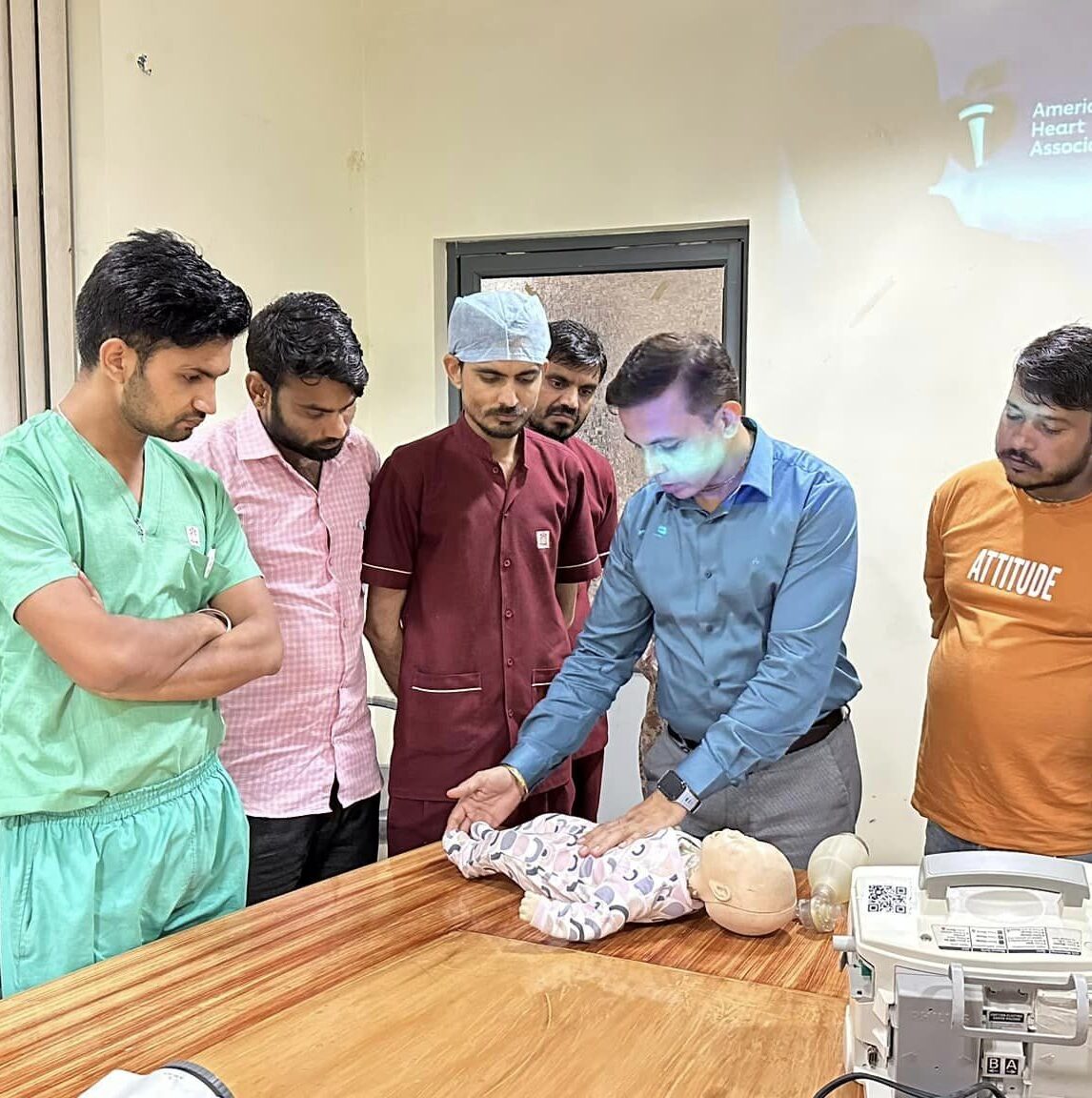
This Course is for healthcare providers who respond to emergencies in infants and children and for personnel in emergency response, emergency medicine, intensive care and critical care units
What does this course teach?
The PALS Provider Course aims to improve outcomes for pediatric patients by preparing healthcare providers to effectively recognize and intervene in patients with respiratory emergencies, shock, and cardiopulmonary arrest by using high‐performance team dynamics and high‐quality individual skills. The course includes a series of case scenario practices with simulations that reinforce important concepts.
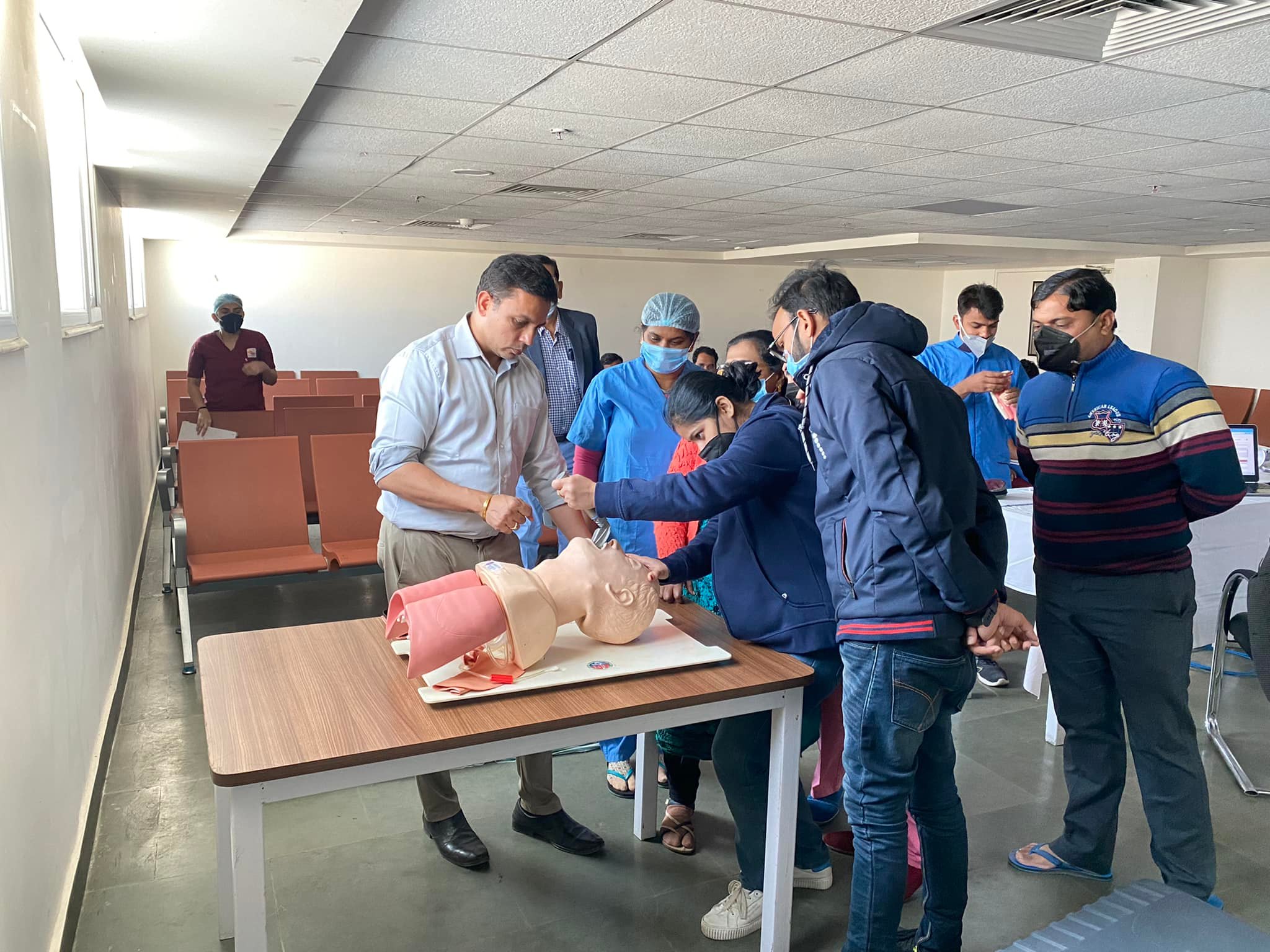
Advance Cardiac Life Support (ACLS)
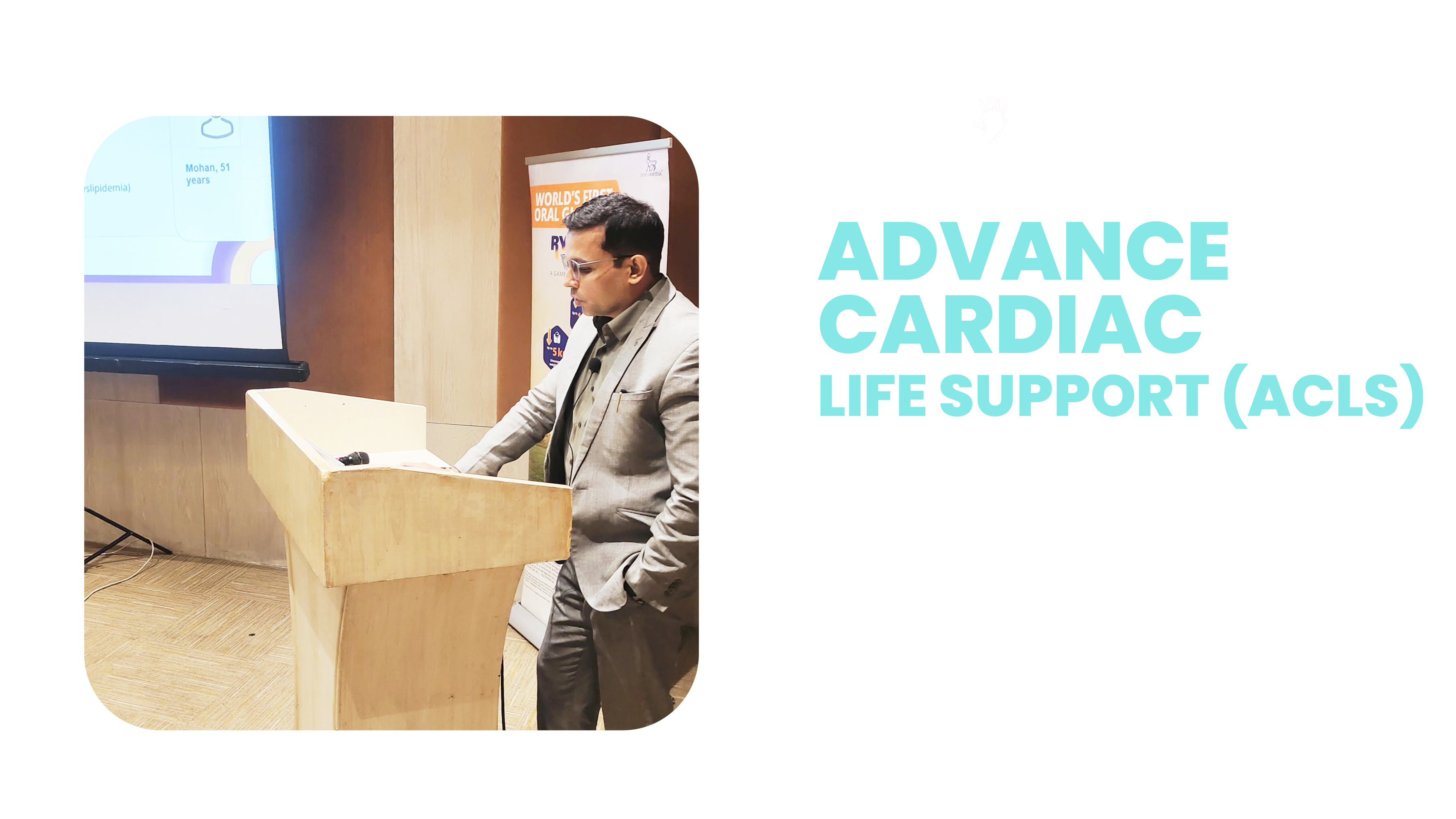
- This course is for healthcare professionals who either direct or participate in the management of cardiopulmonary arrest or other cardiovascular emergencies and for personnel in emergency response
What does this course teach?
- Basic life support skills, including effective chest compressions, use of a bag-mask device, and use of an AED
- Recognition and early management of respiratory and cardiac arrest
- Recognition and early management of peri-arrest conditions such as symptomatic bradycardia
- Airway management
- Related pharmacology
- Management of ACS and stroke
- Effective communication as a member and leader of a resuscitation team
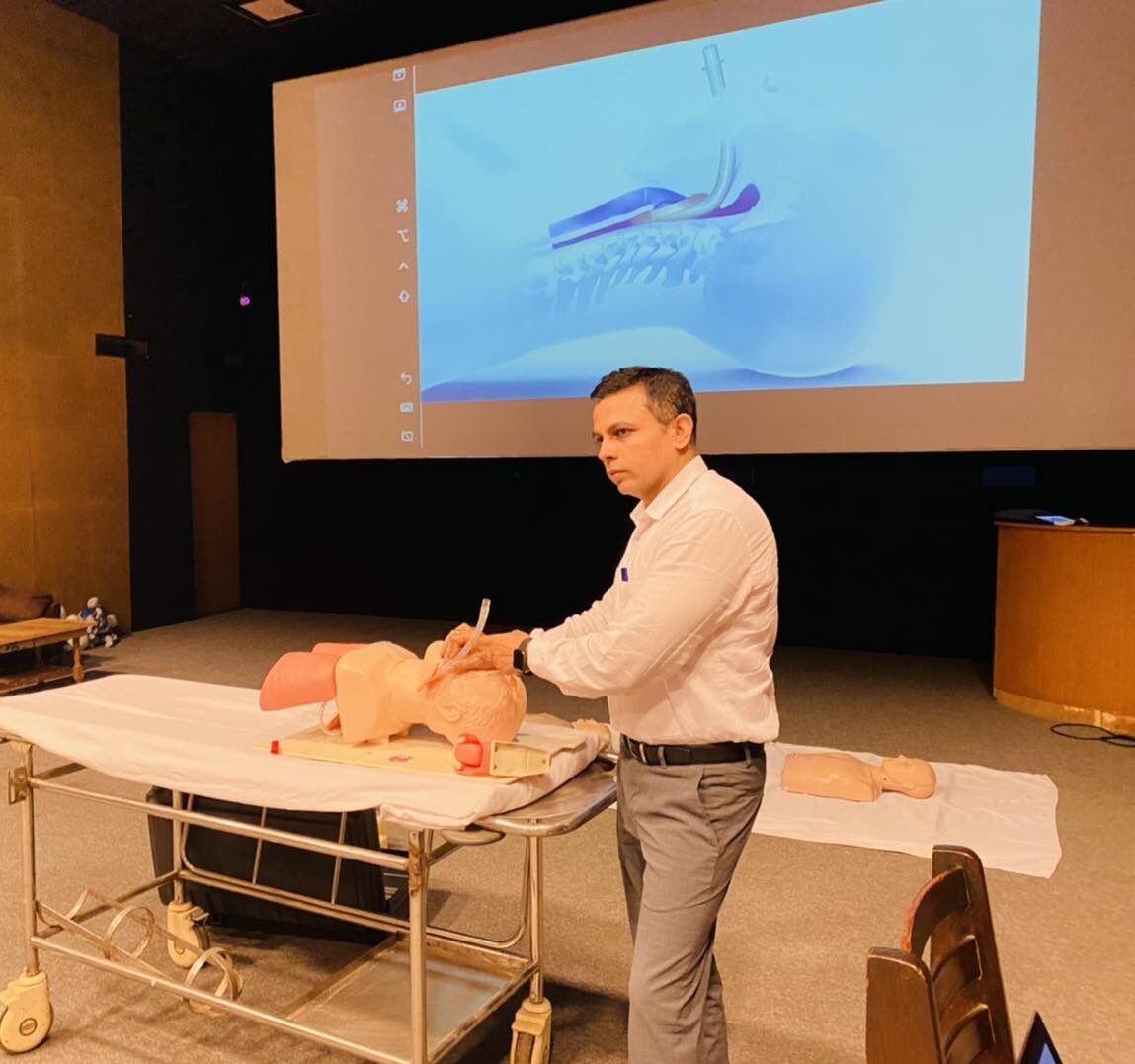
ACLS for Experienced Providers
For those who are proficient in performing BLS and ACLS skills, reading and interpreting ECGs, understanding ACLS pharmacology; and who regularly lead or participate in emergency assessment and treatment of prearrest, arrest, or postarrest patients.
What does this course teach?
- Demonstrate proficiency in providing BLS care, including prioritizing chest compressions and integrating use of an AED
- Recognize and manage respiratory arrest
- Recognize and manage cardiac arrest until termination of resuscitation or transfer of care, including post–cardiac arrest care
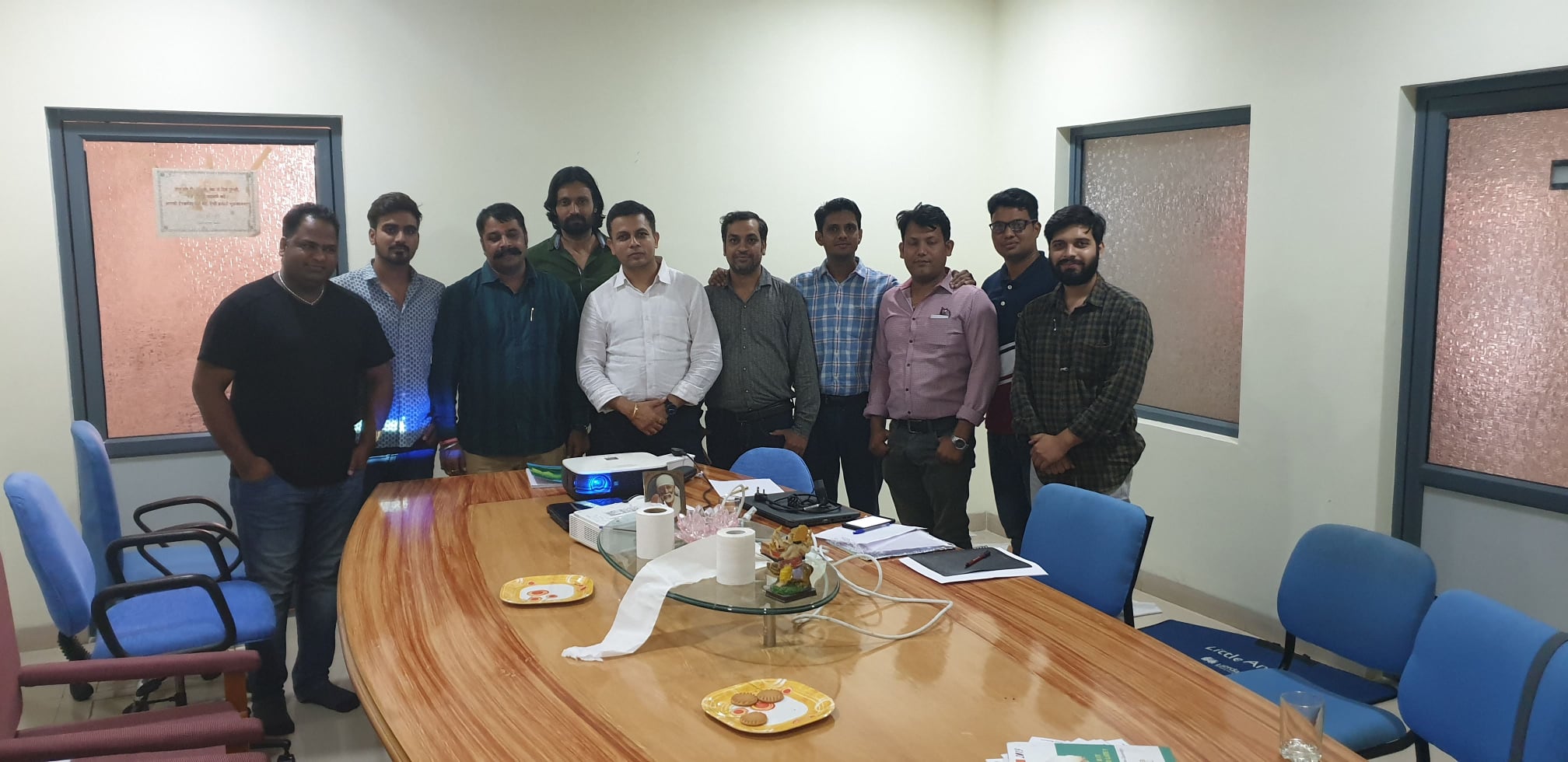
Heartsaver® Courses
Heartsaver courses are designed for anyone with little or no medical training who needs a course completion card for their job, regulatory (for example, OSHA), or other requirements. Are the Heartsaver courses right for me? Heartsaver courses are ideal for workforce employees (for example construction, childcare, health & fitness, hospitality, and more) or for those who want to be prepared for an emergency in any setting.
The Heartsaver CPR AED course trains participants to give CPR, and use an automated external defibrillator (AED) in a safe, timely, and effective manner. Reflects science and education from the American Heart Association Guidelines Update for CPR and Emergency Cardiovascular Care (ECC).
What does this course teach?
- Describe how high-quality CPR improves survival
- Explain the concepts of the Chain of Survival
- Recognize when someone needs CPR
- Perform high-quality CPR for an adult
- Describe how to perform CPR with help from others
- Give effective breaths using mouth-to-mouth or a mask for all age groups
- Demonstrate how to use an AED on an adult
- Perform high-quality CPR for a child
- Demonstrate how to use an AED on a child
- Perform high-quality CPR for an infant
- Describe when and how to help a choking adult or child
- Demonstrate how to help a choking infant
Heartsaver® First Aid Training
The Heartsaver First Aid course trains participants first aid basics for the most common first aid emergencies, including how to recognize them, how to call for help, and how to perform lifesaving skills. Reflects science and education from the American Heart Association Guidelines Update for CPR and Emergency Cardiovascular Care (ECC) and the 2015 AHA/Red Cross Guidelines for First Aid.
Who should take this course?
- Describe how high-quality CPR improves survival
- Explain the concepts of the Chain of Survival
- Recognize when someone needs CPR
- Perform high-quality CPR for an adult
- Describe how to perform CPR with help from others
- Give effective breaths using mouth-to-mouth or a mask for all age groups
- Demonstrate how to use an AED on an adult
- Perform high-quality CPR for a child
- Demonstrate how to use an AED on a child
- Perform high-quality CPR for an infant
- Describe when and how to help a choking adult or child
- Demonstrate how to help a choking infant
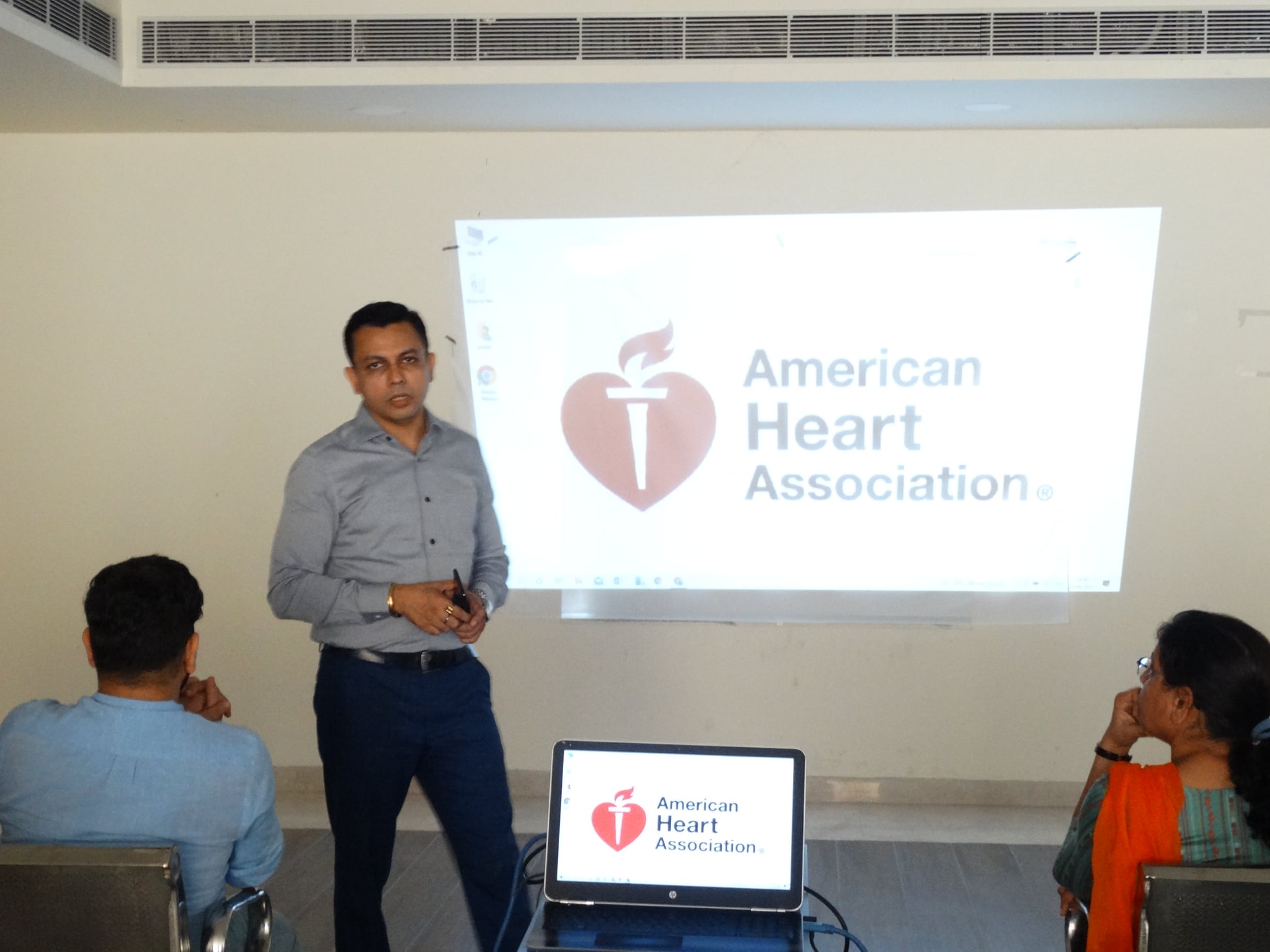
Heartsaver® First Aid Training
The Heartsaver First Aid course trains participants first aid basics for the most common first aid emergencies, including how to recognize them, how to call for help, and how to perform lifesaving skills. Reflects science and education from the American Heart Association Guidelines Update for CPR and Emergency Cardiovascular Care (ECC) and the 2015 AHA/Red Cross Guidelines for First Aid.
Who should take this course?
The AHA Heartsaver First Aid Course is designed for anyone with limited or no medical training who needs a course completion card in first aid to meet job, regulatory, or other requirements.
Heartsaver First Aid Course Options
What does this course teach?
- First aid basics
- Medical emergencies
- Injury emergencies
- Environmental emergencies
- Preventing illness and injury
Made By karttech.in